Affiliate marketing is one of the most beginner-friendly ways to monetize your blog. You don’t need to create your own product or manage customer service — all you do is promote products you believe in and earn a commission when someone makes a purchase through your referral link.
But here’s the catch: Not all affiliate networks are beginner-friendly. Some have strict requirements, delayed payments, or a lack of good products for your niche.
So in this post, we’ll break down the top 10 affiliate marketing networks that are perfect for new bloggers, especially if you’re just getting started with your WordPress blog.

Why Choose an Affiliate Network (vs. Individual Programs)?
Before diving into the list, let’s quickly look at why affiliate networks matter:
- One Dashboard: Manage multiple brands and offers in one place.
- Reliable Tracking: Most networks use advanced tracking for accurate commissions.
- Better Support: Access to dedicated affiliate managers.
- Diverse Offers: Great if you write about different products/niches.
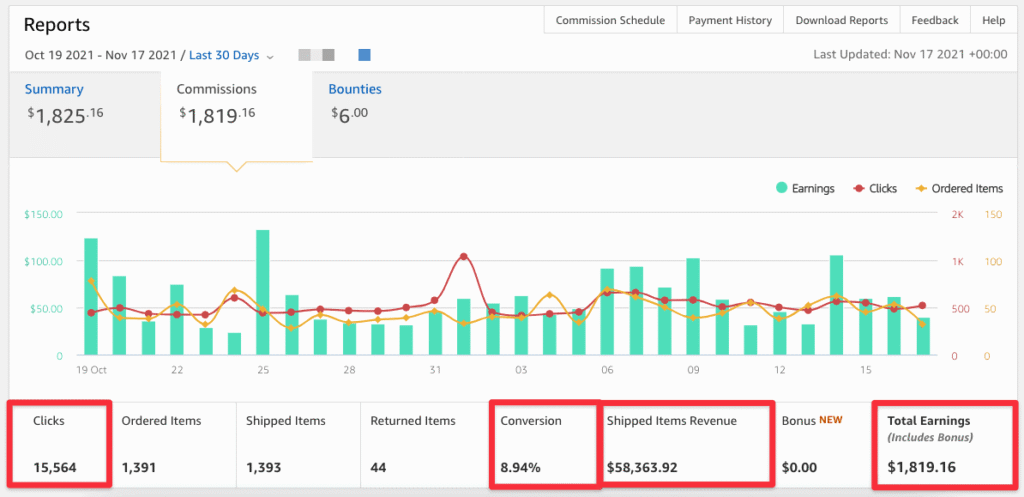
Amazon Associates
Amazon’s affiliate program is one of the most popular for beginners — and for good reason.
Key Features:
- Promote millions of physical and digital products
- Easy-to-use link tools (SiteStripe)
- Global trust and high conversion rates
Pros:
- Super easy to join
- Fast setup
- Trusted by readers
Cons:
- Low commission rates (1%–10%)
- 24-hour cookie duration
Best for: Beginners in lifestyle, tech, home, or book blogging niches
ShareASale
With over 20 years in the affiliate space, ShareASale is home to thousands of merchants across every niche.
Key Features:
- User-friendly dashboard
- Hundreds of beginner-friendly merchants
- Real-time tracking
Pros:
- Fast approval for many merchants
- Trusted and reliable payouts
- Offers for both physical and digital products
Cons:
- Slightly outdated dashboard design
Best for: Bloggers in fashion, finance, home improvement, and education niches
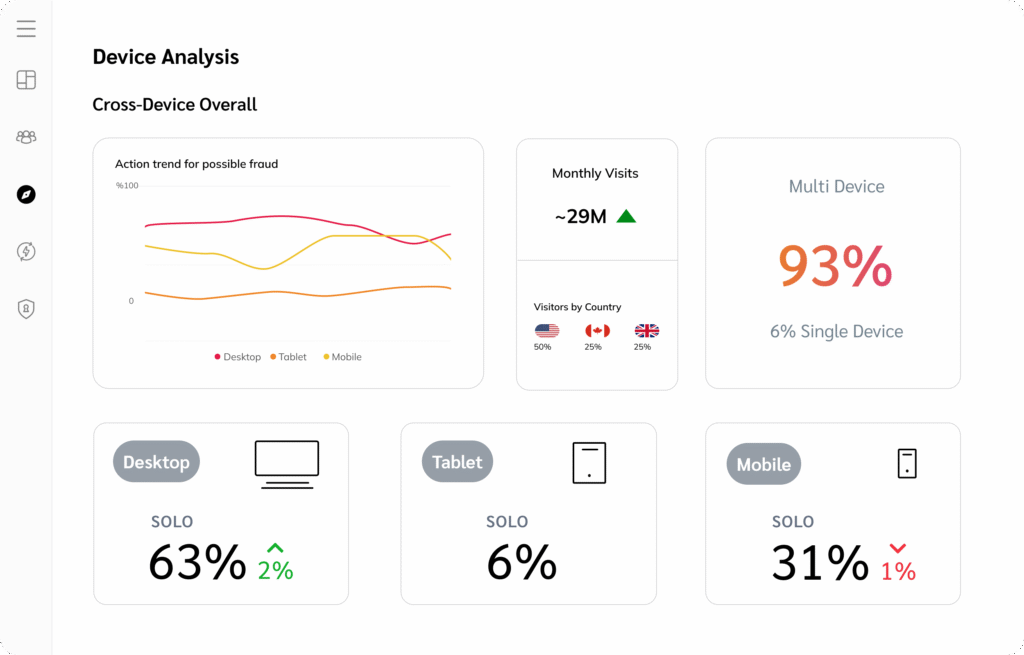
Impact
Impact is a robust affiliate platform used by big brands like Canva, ConvertKit, and Bluehost.
Key Features:
- Clean dashboard
- Flexible commission models
- Modern tracking and tools
Pros:
- Trusted by large SaaS and tech brands
- Seamless application and approval
- Custom links and deep tracking
Cons:
- Learning curve for beginners
Best for: Bloggers focused on tools, tech, SaaS, or online education
CJ Affiliate (formerly Commission Junction)
CJ is a veteran in the affiliate space, partnering with big brands like Lowe’s, Expedia, and Grammarly.
Key Features:
- Deep reporting tools
- Access to high-paying merchants
- Reliable payments
Pros:
- Variety of industries and niches
- Detailed analytics
- Excellent for long-term growth
Cons:
- Approval required per merchant
- Slightly complex interface
Best for: Bloggers with some traffic looking to scale
Rakuten Advertising
Another big player, Rakuten works with brands like Walmart, Macy’s, and Best Buy.
Key Features:
- Long-standing reputation
- Well-known retail brands
- Decent commission rates
Pros:
- High-converting brand partners
- Trusted payout system
- Clean tracking reports
Cons:
- Some merchants are picky about approvals
- Fewer tools than others
Best for: Product review bloggers and shopping-focused blogs
FlexOffers
If you’re looking for a wide variety of affiliate programs under one roof, FlexOffers is a solid option.
Key Features:
- Over 10,000 affiliate programs
- High-ticket affiliate offers
- Automated tools
Pros:
- Fast sign-up and approval
- Many beginner-friendly merchants
- Offers across multiple niches
Cons:
- Interface can feel cluttered
Best for: Bloggers in multiple niches or general topics
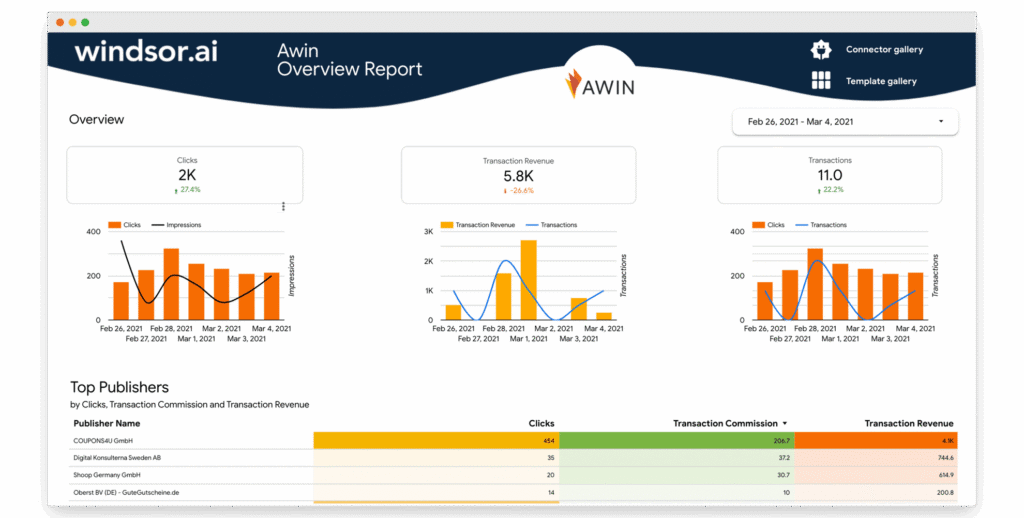
Awin
Awin is home to over 15,000 advertisers including Etsy, Fiverr, and Booking.com.
Key Features:
- Low payout threshold
- One-time $5 sign-up deposit (refunded)
- Access to niche and global brands
Pros:
- Great for international bloggers
- Detailed reporting
- Huge variety of advertisers
Cons:
- Takes time to learn platform features
Best for: Travel, freelance, and lifestyle bloggers
ClickBank
ClickBank is popular for selling digital products like courses, eBooks, and software.
Key Features:
- High commissions (up to 75%)
- Instant payouts available
- No approval needed for many offers
Pros:
- Very beginner-friendly
- Recurring commissions possible
- Great for info-product bloggers
Cons:
- Some spammy-looking products
- Not ideal for physical goods
Best for: Bloggers in online business, health, and personal development
PartnerStack
PartnerStack is a newer network but growing fast — especially for SaaS brands.
Key Features:
- Recurring commissions
- Modern dashboard
- Trusted by tools like Notion, Thinkific, and FreshBooks
Pros:
- Great for tech-savvy bloggers
- Good long-term earning potential
- Recurring income from SaaS products
Cons:
- Fewer merchants than older networks
Best for: Bloggers who review tools, apps, or SaaS platforms
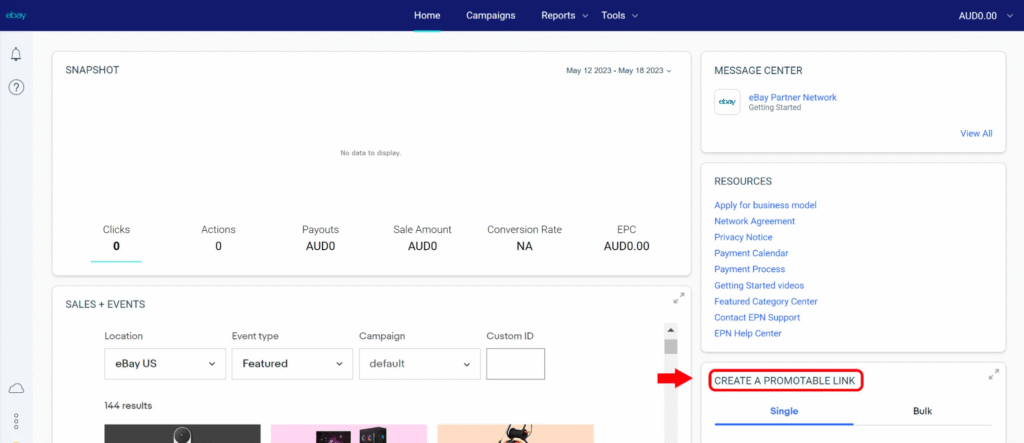
eBay Partner Network
If you’re blogging about collectibles, electronics, or secondhand items, eBay’s affiliate program is worth a look.
Key Features:
- Real-time auction tracking
- Dynamic linking tools
- Trusted global brand
Pros:
- Huge range of products
- Fast commission system
- Easy approval
Cons:
- Short cookie duration
- Commissions vary by category
Best for: Niche blogs on gadgets, collectibles, or auctions
How to Choose the Right Affiliate Network as a Beginner
Choosing the best network depends on your niche and content strategy. Here are a few tips:
- Start with networks like Amazon, ShareASale, or ClickBank
- Choose products you can genuinely recommend
- Focus on programs that offer recurring commissions if possible
- Track your performance and optimize over time
Frequently Asked Questions (FAQs)
Networks like Impact, PartnerStack, and some programs on ClickBank offer recurring commissions — great for long-term passive income.
Focus on SEO, write helpful content (like product comparisons, tutorials), and use internal linking strategies to drive traffic to your affiliate pages.
Final Thoughts
Affiliate marketing is a powerful income stream — especially for bloggers who are just getting started. The key is to:
- Pick the right affiliate network
- Promote products you believe in
- Create content that helps your readers make informed decisions
By starting with the networks listed above, you’ll be setting a strong foundation for long-term affiliate success.